Core SKU MatrixVMI / VendingcXML / OCIVolume Tiers4-Week Setup
12 categories x 3 tiers
| Category | Good | Better | Best |
|---|---|---|---|
| Hi-vis workwear | Class 2 vest | Class 3 jacket | Waterproof FR hi-vis set |
| FR apparel | FR shirt | FR coverall | Arc-rated layered kit |
| Hand protection | General work glove | Cut resistant glove | Impact cut glove |
| Head protection | Type I hard hat | Vented helmet kit | Helmet with visor and chinstrap |
| Foot protection | Safety shoe | Waterproof safety boot | Metatarsal or EH boot |
| Traffic and facility | Safety cone | Delineator set | Reflective site kit |
Vending and VMI
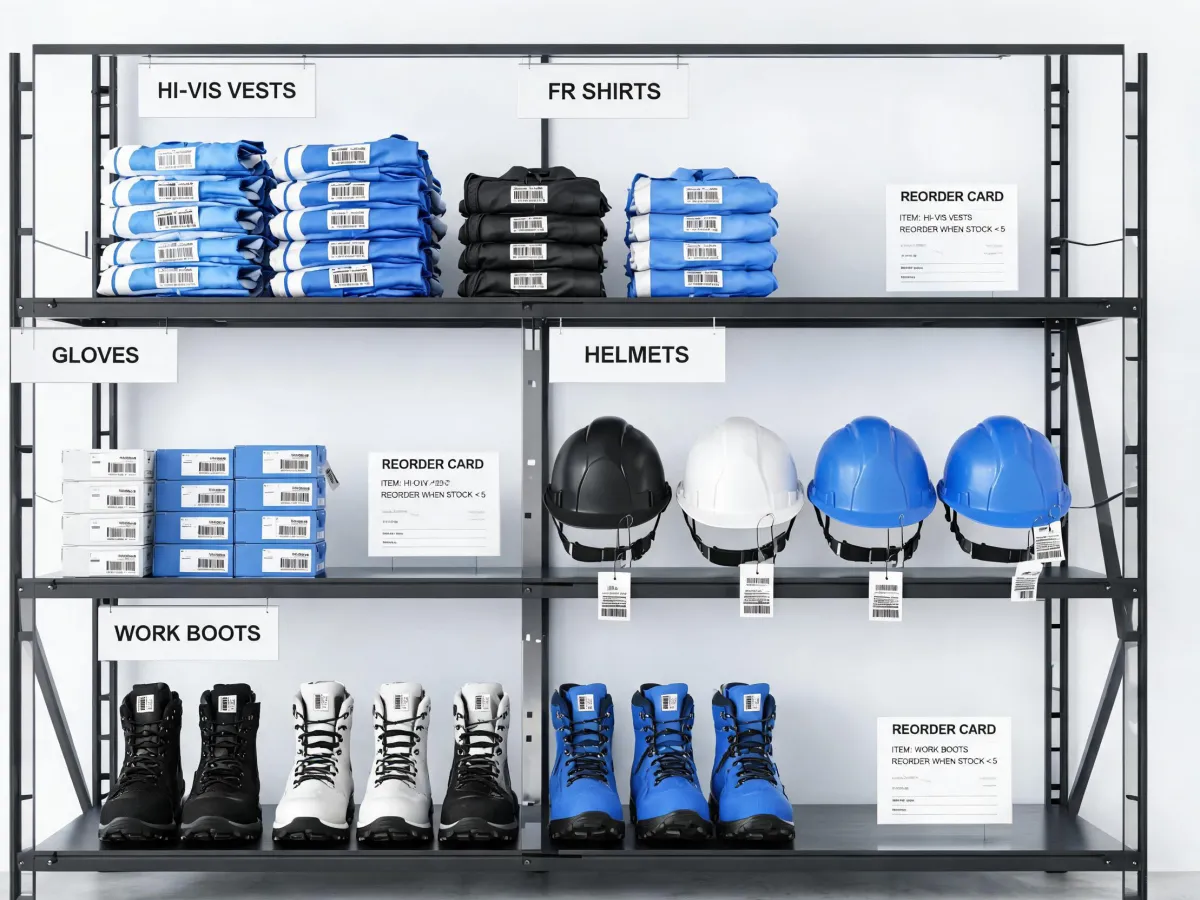
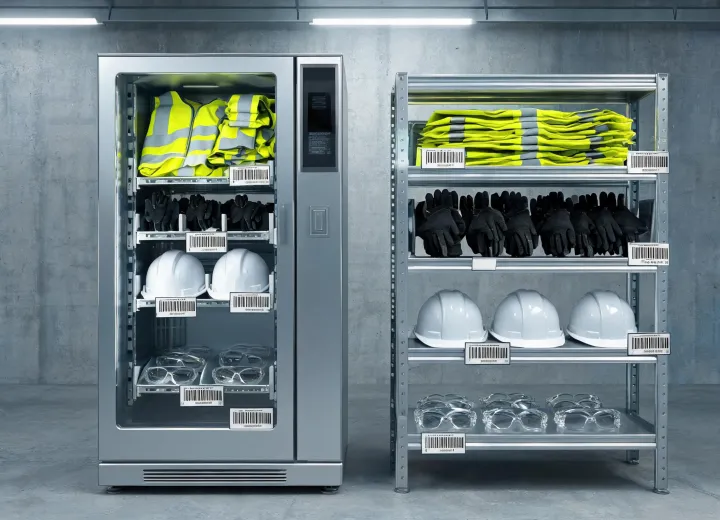
Portwest core stock works best when each item has a plain name, approved alternate, size curve, minimum bin quantity, and replacement trigger. Vending and VMI programs can separate routine issue from supervisor approval items, reducing emergency buys while keeping high-turn products close to the crew.
Punchout integration
Use cXML or OCI-ready naming so buyers see the same category, tier, size, color, and standard note every time they reorder. The integration brief can include item naming, approved substitutes, price tier, branch availability, and escalation contacts.
For standard stock lists with one buyer group, defined alternates, and branch replenishment.
For multiple sites that need common naming, local size curves, and combined distributor reporting.
For punchout, VMI, price tier governance, and quarterly review with procurement and EHS stakeholders.
Collect workplace and category demand.
Confirm standards, alternates, and size curve.
Load naming, pricing, and branch stock rules.
Launch, train buyers, and start exception tracking.
Request setup
Share the PPE categories, locations, annual usage, ERP platform, and distributor model. The response can outline a practical punchout or VMI setup path.